
About
Be Franchising isn't a corporate consultancy. It's owned and operated by Graham Mylchreest. His experience building and growing franchise networks over 30+ years, is enhanced by a determination to do franchising the right way.
Based in County Durham. Working UK-wide.
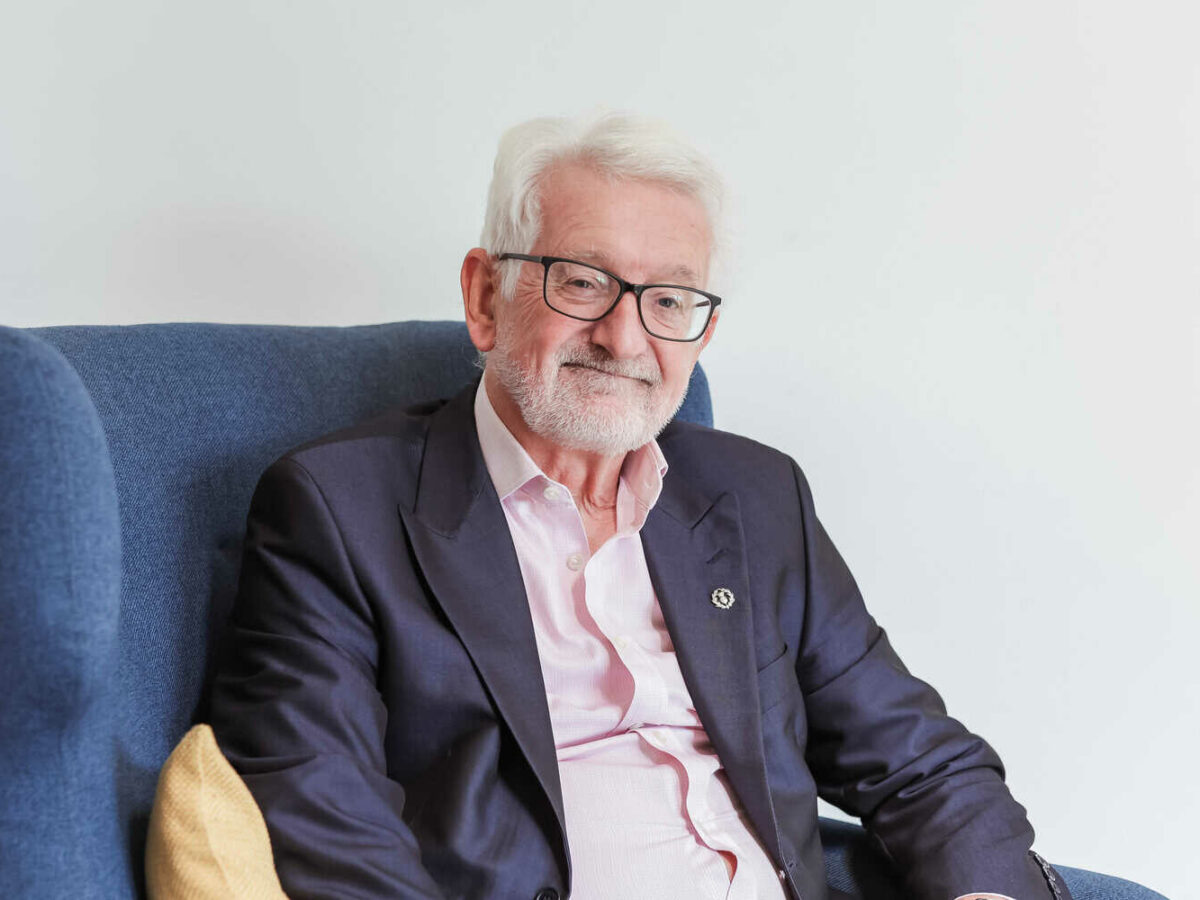
GRAHAM'S STORY
From the Coalface, Not the Classroom
Graham didn't learn franchising from textbooks. He learned it by doing it, making mistakes, fixing them, and doing it again until it worked.
Early years:
Started at the ground level as a regional manager for a franchised electrical retail company with 96 stores across the UK. First real exposure to how franchising works (and sometimes doesn't - that company went bust, which taught him what not to do).
Apollo Blinds:
Joined when they had 40 stores and were a loss making franchise. Spent 10 years there as a franchisor:
- Doubled the network to 80 stores
- Turned the business from a significant loss to a £1 million profit
- Introduced unique and exclusive product ranges
- Set up a manufacturing operation in the North East
Healthcare franchising:
Headhunted to set up a franchise system from scratch in the healthcare sector. This involved creating all necessary documentation; devising and implementing a growth strategy and personally training new franchisees on how to grow their businesses. Built the franchise network from nothing to 18 franchisees (including international) in just over four years. After a difference of opinion on the direction of the business, Graham left and became a franchise consultant.
Eco-mist Biotechnics:
Was asked to join his client as a partner and director in 2012 to set up a license model and spent nearly 10 years developing products, building a distributorship model (23 distributors), and growing the business. During the pandemic, Eco-Mist sanitised Covid testing sites across the UK. This work took four days a week, which is partly why the Be Franchising client list isn't as big as it might be. If Graham had spent that same effort on Be Franchising, he'd probably have franchised it by now and be sitting on a beach collecting fees.
British Franchise Association:
Served three terms as an elected board member and was appointed chairman of the Franchise Group for Scotland and UK Accreditation board member. Being elected and re-elected three times means sticking rigidly to ethical standards. That's not marketing - it's accountability.
HOW BE FRANCHISING STARTED
Born from a Problem Worth Solving

Back in 2008, Durham County Council ran a programme called Be Enterprising. They were trying to get people off the dole, particularly in the most deprived areas of County Durham, by helping them start businesses.
They'd give small grants for tools, basic guidance, help with marketing and business cards - enough to get someone started as a plumber or joiner. But they knew the failure rates were high. Most new businesses don't make it past the first few years.
Someone at the council had the idea: what if we also help people get into franchises, where the likelihood of success is much higher? So they created Be Franchising as an afterthought to Be Enterprising, a way to add protection for start-ups.
Graham joined shortly after it was formed, having become an independent consultant after leaving the healthcare franchise. He read about the Durham initiative, called them up, and after turning them down three times, finally said yes on the fourth attempt.
When Durham County Council pulled back funding and walked away in 2012, Graham kept it going. He took control of the Be Franchising brand and decided to carry on.
The structure stayed not-for-profit because that's how the council set it up. No shareholders to satisfy. As long as the lights stay on and there's a reasonable return for the effort, that's enough. The real value is the experience, support and ethical approach, not maximising fees.
WHAT WE STAND FOR
The Ethical Gatekeeper

We won't franchise unsuitable businesses.

We see franchisees like family.

We've made mistakes too.
WHY IT MATTERS
Real Experience Beats Theory
The difference between learning franchising from a book and learning it by building networks yourself is enormous.
When Graham talks about:
- Recruiting the wrong franchisees and having to fix it
- Operations manuals that looked great but didn't work in practice
- Fee structures that sounded fair but created problems
- The emotional difficulty of moving from "doing everything" to leading a network
- What happens when franchisees don't follow the system
- How to handle underperforming franchisees without destroying relationships
...he's talking about things he's actually dealt with, not theoretical problems.
That's what you're paying for. Someone who's been where you are, made the mistakes you're about to make, fixed them, and can show you a better route.

WHO WE WORK WITH
North East Roots, UK Reach
Our focus
North East England - County Durham, Yorkshire, Northumberland, Teesside, Tyneside. Local businesses that want to grow but don't have the cash to do it the traditional way.
Our reach
UK-wide. Zoom makes it easier now to work with businesses anywhere, though we still visit in person where it matters. Graham's been back and forth to Scotland, worked with brands across England, and supported and travelled extensively internationally.
Our preference
Businesses that are serious, profitable, and ready to put in the work. We're not interested in get-rich-quick merchants or people looking for shortcuts. Proper franchising takes time, investment and commitment.
THE NOT-FOR-PROFIT BIT
What It Actually Means
Not-for-profit doesn't mean cheap or amateur. It means:
It's About the Work, Not the Glory
Graham's not building an empire. He's using his 30+ years of franchising experience to help businesses grow the right way and prevent business owners from falling for the lure of unethical or unqualified franchise advisors.
If you want flashy offices, a huge team, and corporate polish, we're not for you. If you want someone who's actually done this, will tell you the truth even when it's uncomfortable, and cares about getting it right, let's talk.
You've got two choices:
01
02